Can You Eat After Getting Tooth Implants?
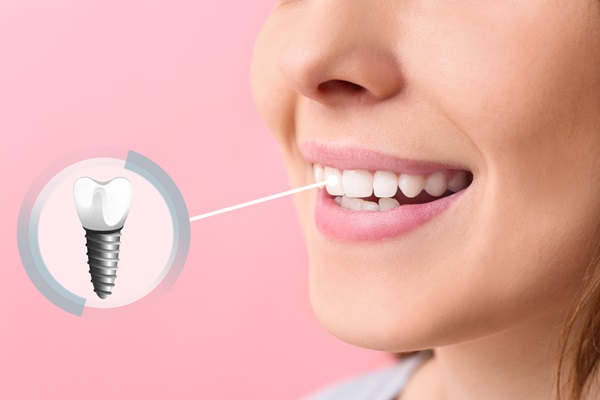
Whether you are about to book an appointment for tooth implants or you have just undergone the procedure, you probably want to learn proper aftercare to ensure healing and recovery. One of the questions that patients often ask is what and what not to eat after surgery. Although placing implants ensures that you have dental functionality, osseointegration needs to occur, and this process may take a while.
Eating after tooth implants placement
Like any major dental procedure, it takes a while for a dental implant patient to recover from the treatment and return to normal life. In this period, patients need to follow the post-procedure guidelines to ensure a successful experience without complications. The following is a guide to eating after getting implants.
First, patients need to note that their body requires nutrition for a full recovery. This means eating healthy meals to ensure healing. Those on a special diet for a medical condition like diabetes should stick to that and ask their dentist for further guidelines.
Foods to eat
After the procedure, the dentist needs to be aware of one's food choices. Some ingredients in soups and other liquid foods may be acidic, causing irritation and a burning sensation. Hot foods and drinks should be avoided in the first 24 hours after the procedure. Also, the use of straw for drinking is not advisable.
In the first week after surgery, patients should avoid chewy foods that put pressure on the gums when chewing. It is better to use soft or pureed foods, such as soups, yogurt, mashed potatoes, puddings, milkshakes, oatmeal, boiled eggs and cheese.
Dairy products are excellent options because they have high calcium and protein content, which are vital for strengthening the jawbone and accelerate the rate at which the bone fuses with the implants.
In the second week after dental implants, patients should still stick to a soft diet because the gums will still be sensitive and should be treated with care. If one must eat meat, it should be minced or soft fish that does not need serious chewing. After two weeks, the gums will have healed enough to be able to resume normal foods to an extent, but it is better to be cautious and avoid putting pressure on the gums (especially tough and crunchy foods).
Fruits and vegetables are essential for health and healing, but select the ones that are easy to eat with minimal chewing. Overly sour and acidic fruits should be avoided because they can cause pain around the implant area.
In conclusion
Aside from foods, patients need to stop smoking one week before getting tooth implants until a few weeks after the procedure, since smoking inhibits the healing process. After the procedure, you can be excited about eating your favorite meals again. Still, it is vital that you eat proper foods during the healing stage because it affects long-term dental implant success.
Request an appointment here: https://drscottdlurie.com/ or call Dr. Scott D. Lurie at (732) 227-4814 for an appointment in our East Brunswick office.
Check out what others are saying about our dental services on Yelp: Tooth Implants in East Brunswick, NJ.
Related Posts
Dental implants are a great way to replace multiple missing teeth. A dental bridge is also a solution for multiple teeth replacement in many cases as well. By learning more about the pros and cons of each option, it will help you decide which treatment option is right for you. Missing teeth create a cosmetic, functional…
An emergency dentist offers urgent and specialized care for unplanned dental issues, especially when severe pain or sudden trauma requires immediate attention. These situations can feel overwhelming and may raise many questions about what to expect and how to prepare. Therefore, it is good to have a list of questions to ask before arriving at…
Visiting dental practices remains important for individuals seeking proper strategies to maintain clean teeth and healthy gums. Effective brushing and flossing habits prevent cavities and gum disease, contributing to oral comfort. While these techniques may appear simple, many people benefit from expert guidance to ensure thorough and gentle oral care. The following recommendations offer step-by-step…
It goes without saying that good oral hygiene is important for your overall health. Our dental practice is here to offer advice to help you avoid common oral health issues. By following expert tips, you can keep your teeth and gums strong and healthy. Here are seven oral hygiene tips from the Dr. Scott D.…