Do You Have to Wear a Retainer After Clear Aligners?
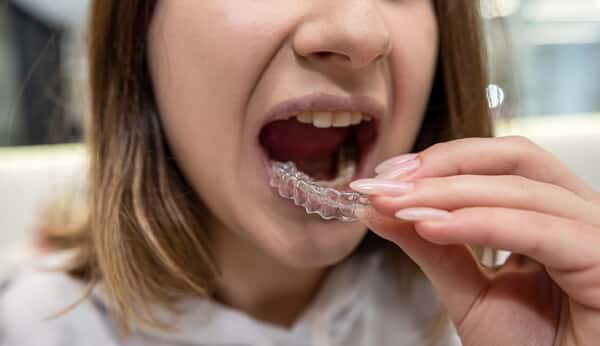
There is no doubt that clear aligners are a great way to straighten teeth and improve the appearance of your smile, but it is important to ensure they remain straight after treatment is over. Whether braces or clear aligners are used, teeth have a tendency to try and shift back to their original position, and a retainer helps to ensure tooth shifting does not take place.
Retainer wear after clear aligners
It can be helpful to know exactly what role a retainer plays in the clear aligners process to understand the importance of wearing it properly. The following is a complete overview of what a retainer is and why and how long it should be worn to ensure teeth remain straight and do not shift back after treatment.
What is a retainer?
A retainer is an orthodontic device that is used to keep teeth in position after teeth straightening treatment. There are different types of retainers, and they are either composed of plastic or a metal wire. Each retainer is fully customized for the specific individual who will be wearing it, and they should fit comfortably into place.
Are retainers necessary?
Most orthodontists require their patients to wear a retainer after their clear aligners are no longer needed. The reason this is almost always a necessity is that the teeth have taken on a new position both in a visible manner and underneath the jaw bone where the root of the tooth exists. The supporting structures of the teeth, which include the gums and underlying bone, need to adjust to the new alignment. If given the opportunity, the teeth may begin to shift back into their original position naturally. Eventually, the bone forms more appropriately around the position of the teeth and wearing a retainer often becomes less of a necessity.
How long should a retainer be worn?
The length of time a retainer needs to be worn may vary slightly for each patient, and the orthodontist should provide detailed information on how and how often to wear the device. In most instances, the first retainer should be worn as much as possible, and the length of time the retainer should be worn each day decreases as time progresses. Many orthodontists suggest the patient wear his or her retainer for years after treatment, although after a certain time period, only wearing it while the patient sleeps is likely enough to keep the teeth in their proper position.
Talk to an orthodontist about clear aligners
The worst thing that can happen to a patient who completes the clear aligners process is for them to have their teeth shift back to their original position. A great way to avoid this is to wear a retainer after clear aligner treatment. If you need a retainer after teeth straightening or are interested in clear aligners treatment, call our East Brunswick office to learn more or to schedule a consultation with us.
Request an appointment here: https://drscottdlurie.com/ or call Dr. Scott D. Lurie at (732) 227-4814 for an appointment in our East Brunswick office.
Check out what others are saying about our dental services on Yelp: Clear Aligners in East Brunswick, NJ.
Related Posts
Clear aligners are becoming more and more popular as they offer advantages that traditional braces do not. Unlike braces, clear aligners are removable and cause less discomfort. However, they are a relatively new option, which means some people may still have some unfamiliarity with how things work. For example, clear aligners can be administered by…
An emergency dentist offers urgent and specialized care for unplanned dental issues, especially when severe pain or sudden trauma requires immediate attention. These situations can feel overwhelming and may raise many questions about what to expect and how to prepare. Therefore, it is good to have a list of questions to ask before arriving at…
Visiting dental practices remains important for individuals seeking proper strategies to maintain clean teeth and healthy gums. Effective brushing and flossing habits prevent cavities and gum disease, contributing to oral comfort. While these techniques may appear simple, many people benefit from expert guidance to ensure thorough and gentle oral care. The following recommendations offer step-by-step…
It goes without saying that good oral hygiene is important for your overall health. Our dental practice is here to offer advice to help you avoid common oral health issues. By following expert tips, you can keep your teeth and gums strong and healthy. Here are seven oral hygiene tips from the Dr. Scott D.…